
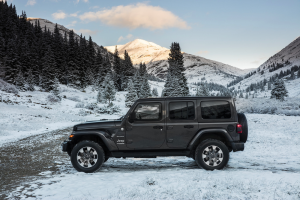
As winter approaches, it’s crucial to prepare your Jeep for the challenges of the colder, snowier months. Whether your plans include trail riding, urban cruising, or simply enjoying the wintry landscape, it’s important to ensure your Jeep is in optimal condition and equipped with the necessary accessories to tackle winter conditions. This guide from ledlightjeep.com will walk you through essential steps and recommended products for winterizing your Jeep, encompassing everything from fluid checks and component inspections to installing floor liners and assembling a recovery kit. By adhering to these tips, you can help guarantee your Jeep’s performance, enhance your safety and comfort, and enjoy the snowy season to its fullest.
Fluid Checks
Before winter sets in, one of the initial and most important tasks is to check and update the fluids in your Jeep. These fluids play a critical role in the functioning of your vehicle’s engine, transmission, cooling system, brakes, and steering, serving to lubricate, safeguard, and manage the temperature of these key components. However, over time and particularly under extreme weather conditions, these fluids can deteriorate and lose their efficacy. Therefore, ensuring that your Jeep’s fluids are refreshed and appropriate for the winter conditions is essential for maintaining its optimal performance and reliability during the colder months.
Engine Oil
Engine oil plays a pivotal role in lubricating your Jeep’s engine components, minimizing friction and wear. It also aids in removing contaminants and preventing rust within the engine. However, in cold temperatures, engine oil can thicken, becoming less fluid. This change in viscosity can impede its flow and effectiveness. To counteract this, you might consider switching to a winter-grade oil with a lower viscosity rating (indicated by the first number in the oil grade). For instance, if your usual choice is 10W-30 oil, shifting to a 5W-30 oil during winter could be beneficial. This ensures smoother oil flow and more efficient distribution throughout the engine. Additionally, it’s crucial to regularly check your oil level and adhere to the change intervals specified in your owner’s manual or service schedule, especially during the winter months.
Antifreeze
Antifreeze, commonly referred to as coolant, is a blend of water and ethylene glycol that circulates through your Jeep’s cooling system. Its primary function is to prevent the engine from overheating in hot weather and freezing in cold conditions. Additionally, antifreeze plays a key role in averting corrosion and rust in the radiator and hoses. Over time, antifreeze can become diluted or contaminated, which may lower its freezing point and diminish its effectiveness. To ensure optimal performance, regularly check the level and color of your antifreeze and top it off if necessary. It’s also advisable to assess the strength of your antifreeze using a hydrometer or a tester kit. An ideal antifreeze mixture maintains a 50/50 ratio of water and ethylene glycol, offering protection against freezing temperatures as low as -34°F (-37°C). Furthermore, it’s recommended to flush and replace your antifreeze approximately every 30,000 to 40,000 miles, or every two to three years, to maintain your engine’s health and efficiency during winter.
Windshield Washer Fluid
Windshield washer fluid is an essential liquid for your Jeep’s maintenance, especially in winter. It’s sprayed onto the windshield to cleanse it of dirt, bugs, ice, and snow, significantly enhancing visibility and safety while driving. However, in colder temperatures, there’s a risk of the washer fluid freezing if it’s overly diluted with water or alcohol. To circumvent this issue, opt for a winter-specific windshield washer fluid. This formulation has a lower freezing point and includes antifreeze additives, making it suitable for cold weather conditions. Regularly check the level of your washer fluid and refill as necessary. Additionally, it’s important to inspect the washer nozzles to ensure they are free from clogs or leaks. If any blockages are found, they can usually be cleared with a needle or compressed air. This simple maintenance step can make a significant difference in maintaining clear visibility during winter driving.
Fuel
Fuel is the vital energy source for your Jeep’s engine, enabling it to operate smoothly and efficiently. Yet, during winter, fuel can become problematic if it contains excessive water or ethanol. Water in the fuel can freeze in the fuel lines, obstructing the flow to the engine. Ethanol, on the other hand, is prone to absorbing moisture from the air, which can lead to corrosion within the fuel system. To mitigate these issues:
- Maintain Gas Tank Levels: Keep your gas tank at least half full during winter months. This practice helps to minimize condensation and the amount of air in the tank, which can lead to water accumulation.
- Use Fuel Additives: Consider using fuel additives like Heet or Sta-Bil. These products are designed to prevent water from freezing in the gas tank or separating, thereby safeguarding your fuel system during cold weather.
- Be Mindful of Ethanol Content: Try to avoid using gasoline with more than 10% ethanol (E10). Higher ethanol content can be detrimental to your engine and fuel system, particularly in older Jeep models not designed to handle such fuels.
Component Checks
Before the onset of winter, it’s crucial to inspect and possibly replace certain components of your Jeep that are particularly susceptible to wear and tear or are adversely affected by cold weather. Such components typically include:
Tires
Tires are a crucial element for winter driving in your Jeep, providing essential traction, stability, and handling across various road surfaces and conditions. They also absorb shocks from irregularities like bumps and potholes. However, in colder temperatures, tires can become more rigid and less pliable, negatively impacting their grip, pressure, tread depth, and sidewall integrity. To ensure your tires are winter-ready:
- Regularly Check Tire Pressure: Use a tire pressure gauge or a monitor system to check the pressure. Cold weather can decrease tire pressure, so it’s important to inflate your tires as recommended in your owner’s manual or the indication on your door jamb.
- Inspect Tire Tread Depth: Use a penny or a tread gauge to check the depth of your tire tread. Replace the tires if the tread wears down below 2/32 of an inch.
- Examine for Damage: Look for any signs of damage such as cracks, bulges, or other anomalies. Address any damage by repairing or replacing the tires as needed.
While snow tires are not mandatory for every Jeep Wrangler in winter, their suitability depends on the specific driving conditions you anticipate:
- Snowy or Icy Roads: If you expect to drive on these surfaces, consider winter tires. They have a softer rubber compound and deeper tread patterns, offering enhanced grip and traction.
- Muddy or Rocky Trails: For these conditions, all-terrain tires with a tougher rubber compound and wider tread blocks are advisable. They provide better durability and stability.
- Mixed Driving Conditions: All-season tires are a good option for versatility. They offer a balanced mix of rubber compound and tread design, suitable for a range of surfaces and providing adequate performance.
Selecting the right tires based on your anticipated winter driving conditions is essential for safe and effective handling of your Jeep during the colder months.
Battery
In the realm of automotive electrical systems, the battery stands as a pivotal component, harboring electrical charge and dispensing energy to vital aspects of your Jeep, such as the starter, ignition, illumination, and auxiliary systems. Furthermore, it plays a critical role in moderating the flux of voltage and amperage within the vehicle’s circuitry. Alas, the battery’s efficacy dwindles in frigid climes, a consequence of decelerated chemical processes within its confines. This diminution in performance can impede the engine’s ignition and hinder the operation of various accessories. To avert such predicaments, it is advisable to scrutinize the battery’s voltage, ensuring it surpasses the threshold of 12.4 volts, through the use of a voltmeter or diagnostic device. Additionally, an examination of the battery terminals for oxidation or slack connections is prudent, necessitating cleansing with a metallic bristle brush or sodium bicarbonate solution if deemed necessary. Scrutiny should also extend to the battery cables, watching for fissures or wear, with replacement being imperative in such cases. Lastly, evaluating the battery’s load capacity, either through a load analyzer or professional assessment, is essential, with replacement being the recourse upon failure of the evaluation.
Heater
The heater, a quintessential device in your Jeep, leverages the engine’s hot coolant to elevate the temperature of the air within the cabin, thus offering solace and warmth during the wintry months. Additionally, it plays a pivotal role in demisting the windshield and windows, enhancing visibility. Nevertheless, the heater’s functionality can be compromised in colder climates, owing to potential flaws in the cooling apparatus, heater core, blower motor, or control mechanisms. Such malfunctions can significantly impact both your comfort and ability to see clearly while driving. To circumvent these issues, it’s advisable to assess the heater’s efficacy by activating it and gauging the warmth and circulation of the air emanating from the vents. Moreover, vigilance for any leaks, auditory anomalies, or peculiar odors emanating from the heater system is crucial. Upon detecting any irregularities, prompt diagnosis and rectification are essential to ensure a pleasant and safe driving experience.
Brakes:
Brakes, integral to your Jeep’s safety, utilize hydraulic force and friction to decelerate or halt the wheels. They are crucial for managing speed, trajectory, and spacing on thoroughfares, and they avert collisions. Yet, in wintry conditions, brakes may deteriorate or malfunction, becoming sluggish and less potent, jeopardizing your safety and maneuverability. To mitigate this, regularly inspect the brake fluid level and color, replenishing or purging as necessary. Additionally, assess the brake pads, rotors, calipers, hoses, lines, and master cylinder for wear, damage, leaks, or corrosion, replacing them when required. Test the brake’s efficacy by gradually applying them across diverse road textures and note any vibrations, sounds, or irregularities.
Accessories:
Enhancing your Jeep’s aesthetics, functionality, protection, comfort, and winter resilience can be achieved with the right accessories:
- Floor Liners: Custom-made for the cabin and cargo area, floor liners shield the carpet from dirt, snow, and spills. Available in various materials, designs, and hues, popular choices include rubberized or plastic liners with deep channels and high edges to trap debris and liquids, making them simple to install, clean, and store.
- Recovery Kit: This ensemble of tools aids in extricating your Jeep from snow or off-road predicaments. It often includes D-rings, a heavy-duty strap, gloves, winch line dampener, snatch block, tree trunk protector, shovel, sandbags, tire chains, deflator, repair kit, air compressor, fire extinguisher, first aid kit, flashlight, blanket, water, and snacks.
- Roof Rack: Providing additional storage, roof racks come in various styles and materials. They range from crossbars for mounting attachments to baskets and boxes for secure transportation of items, and soft-shell bags for flexible storage.
- Seat Covers: Protecting your seats from the elements, seat covers enhance comfort and style. Choices include neoprene for durability, leather for luxury, and fleece for warmth.
- Remote Start: Enabling engine start from afar, remote start warms your engine and cabin and defrosts the windows. It enhances security with remote locking and unlocking and requires ensuring the vehicle is parked safely and sufficiently fueled.
- In addition, consider bringing along a 100% custom bobblehead for a personalized touch to your journey. This unique item can be a fun, quirky representation of yourself or a loved one, adding a bit of humor and personality to your travels. Also, for entertainment, the Miyoo Mini Plus is an excellent choice. This compact and portable gaming device offers a range of classic and contemporary games, providing hours of fun during your journey. It’s a great way to keep yourself entertained during downtime or while taking breaks on your trip.
Conclusion:
Preparation is key to an enjoyable winter driving experience in your Jeep. Following these guidelines ensures your vehicle’s readiness for winter’s challenges. With proper maintenance and accessories, you can confidently embrace the beauty and excitement of snowy drives. Always prioritize safe and responsible driving during the winter season. Happy winter driving!