
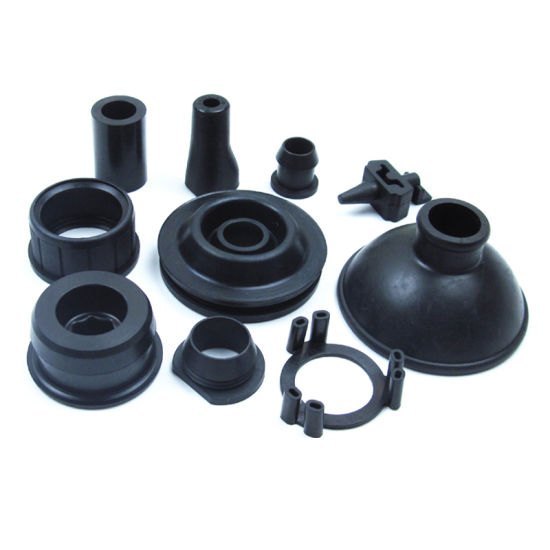
Learn what is EPDM rubber and how does it revolutionize various industries. Expand your knowledge of EPDM rubber material properties.
What is EPDM rubber? In the realm of manufacturing, materials play a crucial role in determining the quality, performance, and longevity of the end products. One such material that has gained significant prominence in various industries is EPDM rubber. Understanding the properties, applications, advantages, and innovations surrounding EPDM rubber material is essential for manufacturers looking to enhance their processes and products. In this comprehensive guide, we delve into the world of EPDM rubber to uncover its versatility and impact on the manufacturing landscape.
Understanding What Is EPDM Rubber: A Comprehensive Guide
EPDM, which stands for Ethylene Propylene Diene Monomer, is a synthetic rubber known for its exceptional weather resistance, heat resistance, and electrical insulation properties. This versatile elastomer is widely used in manufacturing due to its ability to withstand extreme temperatures, UV exposure, ozone, and harsh environmental conditions. EPDM rubber is commonly produced in both black and white colors, making it suitable for a wide range of applications across various industries.
EPDM Rubber Material Composition
EPDM rubber properties are composed of ethylene, propylene, and a small amount of diene monomers, which provide the material with its unique properties. The presence of ethylene and propylene in EPDM rubber enhances its flexibility and durability, while the diene monomers improve its resistance to heat and chemicals. This composition allows EPDM rubber to maintain its integrity and performance in challenging manufacturing environments.
EPDM Rubber Manufacturing Process
The manufacturing process of EPDM rubber involves the polymerization of ethylene and propylene with diene monomers using specialized equipment and techniques. This process results in the formation of long molecular chains that give EPDM rubber its characteristic properties. The material is then processed into various forms such as sheets, rolls, extrusions, and molded parts to suit different manufacturing requirements.
EPDM Rubber: Properties and Applications in Manufacturing
EPDM rubber exhibits a wide range of properties that make it a preferred choice in manufacturing applications. Some of the key properties of EPDM rubber include:
- Weather Resistance: EPDM rubber is highly resistant to weathering, making it ideal for outdoor applications such as roofing, seals, and gaskets.
- Heat Resistance: The material can withstand high temperatures without degrading, making it suitable for automotive cooling systems, HVAC seals, and electrical insulation.
- Chemical Resistance: EPDM rubber is resistant to various chemicals, acids, and alkalis, making it a reliable choice for industrial sealing applications.
- Electrical Insulation: The material provides excellent electrical insulation properties, making it ideal for electrical connectors, cable insulation, and gaskets in electronic devices.
Common Applications of EPDM Rubber in Manufacturing
EPDM rubber finds extensive use in a wide range of manufacturing applications, including:
- Automotive Industry: EPDM rubber is commonly used in automotive seals, hoses, gaskets, and weather-stripping due to its durability and resistance to engine fluids.
- Construction Sector: The material is utilized in roofing membranes, window seals, and expansion joints in construction projects for its weather resistance and longevity.
- Electronics and Electrical Industry: EPDM rubber is employed in cable insulation, electrical connectors, and gaskets in electronic devices to provide electrical insulation and protection.
The Advantages of Using EPDM Rubber in Industrial Settings
The utilization of EPDM rubber in industrial settings offers several advantages for manufacturers seeking reliable and durable materials for their products. Some of the key advantages of using EPDM rubber include:
- Longevity: EPDM rubber has a long service life and can withstand harsh environmental conditions, reducing the need for frequent replacements.
- Versatility: The material can be easily molded, extruded, or fabricated into different shapes and sizes to meet specific manufacturing requirements.
- Cost-Effectiveness: EPDM rubber is a cost-effective material due to its durability, weather resistance, and low maintenance requirements, leading to overall cost savings for manufacturers.
- Environmental Sustainability: EPDM rubber is recyclable and eco-friendly, making it a sustainable choice for manufacturers looking to reduce their environmental impact.
Enhanced Performance in Challenging Environments
EPDM rubber’s ability to perform consistently in challenging environments, such as extreme temperatures, UV exposure, and chemical exposure, makes it a reliable choice for industrial applications. Manufacturers can rely on EPDM rubber to maintain its integrity and performance under demanding conditions, ensuring the longevity and reliability of their products.
EPDM Rubber: A Versatile Solution for Manufacturing Challenges
In the dynamic landscape of manufacturing, companies face various challenges related to material selection, product performance, and cost-effectiveness. EPDM rubber emerges as a versatile solution that addresses many of these challenges, offering a combination of properties and benefits that cater to diverse manufacturing needs.
Customizable Formulations for Specific Applications
Manufacturers can work with EPDM rubber suppliers to develop customized formulations tailored to their specific applications. By adjusting the composition of the material, manufacturers can enhance certain properties such as hardness, elasticity, or chemical resistance to meet the requirements of their products.
Sealing and Insulation Capabilities
EPDM rubber’s excellent sealing and insulation capabilities make it an ideal choice for applications where protection against moisture, dust, and contaminants is crucial. The material forms tight seals and provides effective insulation, ensuring the integrity and performance of mechanical and electrical systems.
Exploring the Various Uses of EPDM Rubber in Industry
The versatility of EPDM rubber extends to a wide range of industries and applications, showcasing its adaptability and effectiveness in diverse settings. From automotive and construction to electronics and healthcare, EPDM rubber finds applications in various sectors due to its unique properties and performance advantages.
Automotive Industry Applications
In the automotive industry, EPDM rubber is utilized in weather seals, gaskets, hoses, and O-rings to provide reliable sealing and fluid resistance. The material’s ability to withstand exposure to engine fluids, UV radiation, and temperature fluctuations makes it a preferred choice for automotive components.
Construction Sector Applications
EPDM rubber is extensively used in the construction sector for roofing membranes, window seals, and expansion joints in buildings. Its weather resistance, durability, and flexibility make it a suitable material for protecting structures from environmental elements and ensuring long-term performance.
EPDM Rubber: Innovations and Trends in Manufacturing Applications
As manufacturing technologies advance and industry requirements evolve, the use of EPDM rubber continues to evolve with innovative solutions and trends. Manufacturers are exploring new ways to leverage the properties of EPDM rubber to enhance product performance, sustainability, and cost-efficiency.
Sustainable Manufacturing Practices
With a growing focus on sustainability and environmental responsibility, manufacturers are increasingly adopting EPDM rubber for its recyclability and eco-friendly properties. By incorporating EPDM rubber into their products, manufacturers can reduce waste, energy consumption, and environmental impact, aligning with sustainable manufacturing practices.
Advanced Processing Techniques
Advancements in processing technologies have enabled manufacturers to produce complex EPDM rubber components with precision and efficiency. Injection molding, extrusion, and compression molding techniques allow for the fabrication of intricate shapes and designs, expanding the possibilities for EPDM rubber applications in diverse industries.
Property Description Weather Resistance Highly resistant to weathering, suitable for outdoor applications like roofing, seals, and gaskets. Heat Resistance Can withstand high temperatures without degrading, used in automotive cooling systems, HVAC seals, and electrical insulation. Chemical Resistance Resistant to various chemicals, acids, and alkalis, reliable choice for industrial sealing applications. Electrical Insulation Provides excellent electrical insulation properties, ideal for electrical connectors, cable insulation, and gaskets.
Common Applications of EPDM Rubber
Industry Applications Automotive Industry Seals, hoses, gaskets, weather-stripping for durability and fluid resistance. Construction Sector Roofing membranes, window seals, expansion joints for weather resistance and longevity. Electronics Industry Cable insulation, electrical connectors, gaskets for electrical insulation and protection.