
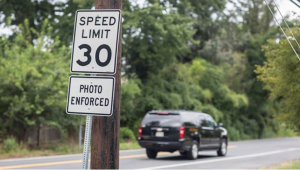
Because of the increasing frequency of traffic offenses, speeding penalties remain a major source of worry in road safety. While the authorities work to find a solution to this issue, it is essential to investigate the reasons that contributed to it, the effects of it, and the efforts being made to solve it. This article dives into the complexities of speeding penalties, stressing the influence that they have on drivers as well as the larger context of traffic.
Current State of Speeding Tickets :
The current situation with speeding tickets paints a gloomy image, as the statistics show, demonstrating an alarming increase in speeding infractions. When weighed against other types of traffic violations, speeding fines stand out as a particularly urgent problem that needs to be addressed. Drivers frequently find themselves in the line of fire of law enforcement due to the prevalence of rushed lives and a general lack of understanding regarding the risks associated with driving at excessive speeds. Traffic Ticket Ontario highlights this issue, indicating that speeding is a major concern for both law enforcement and public safety.
Consequences of Speeding Tickets :
Receiving a speeding citation carries several legal repercussions and fines, which can have a substantial financial impact on the drivers who get them. In addition, the consequences of these infractions can include the suspension or revocation of a driver’s license and an increase in the premiums paid for auto insurance. However, the repercussions are not limited to only affecting one’s finances. The potential of being involved in an accident or suffering an injury is considerably increased when a motorist is traveling at high speed, and this places everyone else on the road in danger as well as the driver.
To mitigate these impacts, many individuals turn to Traffic Paralegal Services. These services can provide expert advice and representation to help reduce fines, avoid license suspensions, and potentially lower insurance premiums. Traffic Paralegal Services play a crucial role in navigating the legal system, offering support and strategies to challenge speeding citations and other traffic violations effectively.
Contributing Factors to Speeding :
Understanding the factors contributing to speeding is essential to develop effective strategies for addressing the problem of excessive speeding. The popularity of this behavior is attributed to some factors, including time constraints, busy lifestyles, and a culture that minimizes the significance of sticking to speed restrictions. In addition, the impact of one’s peers is a key factor, since drivers frequently model their behavior after that of their fellow motorists. Education, public awareness campaigns, and increased levels of law enforcement are all necessary components of an all-encompassing strategy for addressing these concerns.
Efforts Being Made to Tackle the Problem of Speeding
The authorities are ramping up their fight against speeding by employing various strategies. Campaigns of raising awareness among the general public are now being carried out to educate drivers about the hazards involved and the significance of driving responsibly. Law enforcement organizations increasingly rely on cutting-edge technology for speed detection to increase the possibility of successfully apprehending criminals. In addition, implementing traffic calming measures and enforcing speed limit rules can also contribute to creating a safer environment for all users of the road.
Advice on Staying Clear of Speeding Tickets
Responsible driving practices should be a driver’s priority to reduce the likelihood of receiving citations for speeding. This involves not exceeding the stated speed limit, modifying driving behaviors to meet the circumstances of the road, and using technologies such as cruise control to keep a consistent pace. While on the road, drivers may improve their ability to make good judgments by informing themselves about potential hazards, such as speed traps and high-risk regions.
Conclusion
It is becoming increasingly clear that additional steps need to be taken to address the problem of excessive speeding, which threatens public safety on the roads. We can make headway toward eliminating this risky behavior if we have a thorough grasp of the repercussions of speeding, determine the variables that contribute to it, and put specific interventions into place. In the end, it is the joint obligation of motorists, law enforcement authorities, and lawmakers to emphasize safe and responsible driving, assuring the health and safety of everyone on the road.