
Introduction
In today’s digital age, the need for robust security measures has never been more critical. With increasing online transactions, social media interactions, and digital communications, ensuring the authenticity of users has become a top priority. This is where identity verification service comes into play. These services are designed to confirm that individuals are who they claim to be, providing a layer of security essential for protecting businesses and consumers. The importance of these services cannot be overstated, as they play a crucial role in safeguarding personal information and preventing fraud.
Understanding Identity Verification Services
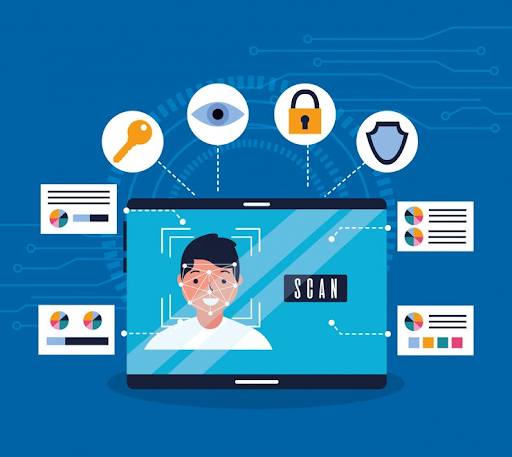
Identity verification services help verify a person’s identity using various methods. These can include comparing documents such as passports, driver’s licenses, or national ID cards against the information provided by the user. Some services also incorporate biometric data, such as fingerprints or facial recognition, to ensure even higher levels of accuracy. The primary goal of these services is to establish trust between the user and the platform they are interacting with.
For instance, when you sign up for a new online account or make a significant financial transaction, an identity verification service might require you to scan your ID. The ID verification scanner then cross-references your information with existing databases to confirm your identity. This process helps minimize the risk of identity theft, which has become a prevalent issue in recent years.
The Role of Identity Verification in Online Security
One of the most significant advantages of using an identity verification service is its added security layer. Without such services, online platforms are vulnerable to fraud, including account takeovers, fake accounts, and unauthorized transactions. By verifying the identity of users, these services help reduce the risk of these fraudulent activities.
For businesses, implementing ID verification service is a critical step in building trust with their customers. When users know their identities are being protected, they are more likely to engage with the platform and complete transactions. This trust is vital for businesses, leading to higher customer retention rates and increased revenue.
Moreover, identity verification services are not just about protecting users; they also help businesses comply with regulatory requirements. Many industries, especially those dealing with financial transactions, are required by law to verify the identities of their customers. Failing to do so can result in hefty fines and legal repercussions. Therefore, incorporating an identity verification service is not just a best practice but also a legal necessity for many businesses.
The Future of Identity Verification
As technology continues to evolve, so will the methods used in identity verification. We are already seeing advancements in biometric verification, such as iris scans and voice recognition, which offer even more secure ways of confirming a user’s identity. Additionally, artificial intelligence (AI) and machine learning are being integrated into identity verification processes, allowing faster and more accurate verifications.
However, as these technologies advance, so do the tactics of cybercriminals. Businesses must stay ahead of the curve by continually updating their identity verification services. By doing so, they can ensure that they provide the highest level of security for their users, protecting their data and reputation.
Conclusion
The importance of identity verification services in today’s digital landscape cannot be understated. They are essential tools for protecting businesses and consumers from the ever-growing threat of online fraud. By using an identity verification service, businesses can build trust with their users, comply with regulatory requirements, and ensure the security of their platforms. As technology continues to advance, so will the methods used in identity verification, making it an ever-evolving field critical to the future of online security.