Limassol, Cyprus,july 29,2024-Outsourcing game art can be a game-changer for development studios looking to enhance their creative capabilities without overextending their resources. Whether you’re a small indie developer or a large game production company, understanding how to outsource game art effectively is crucial for your project’s success. In this guide, we will explore the key strategies and considerations when choosing a game art outsourcing studio.
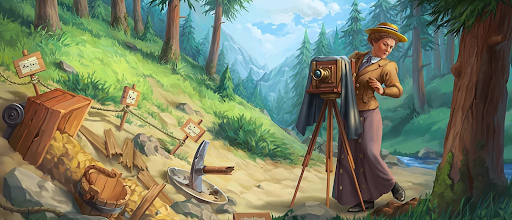
Ready to Elevate Your Game’s Art? Explore RocketBrush’s range of game art outsourcing services to bring your project to life with stunning visuals. Visit our https://rocketbrush.com to learn more and get started!
Why Outsource Game Art?
Outsourcing game art offers numerous benefits, including cost efficiency, access to a diverse talent pool, and the ability to scale your project’s art needs quickly. By partnering with a specialized game art outsourcing studio, you can focus on core development tasks while ensuring high-quality visual assets.
Key Advantages:
- Cost Efficiency: Reduce overhead costs by hiring external artists on a project basis.
- Access to Expertise: Tap into a global network of artists with specialized skills.
- Scalability: Easily adjust the size of your art team based on project demands.
- Focus on Core Tasks: Allow your in-house team to concentrate on development and design.
How to Outsource Game Art Services: Essential Steps
Outsourcing game art services involves several critical steps to ensure you find the right partner and achieve your desired outcomes.
- Define Your Needs:
- Determine the specific art styles and assets required.
- Create a detailed project brief outlining your vision, deadlines, and budget.
- Research Potential Studios:
- Look for studios with a strong portfolio and relevant experience.
- Check client reviews and testimonials to gauge reliability.
- Evaluate Portfolios:
- Assess the quality and diversity of the studio’s previous work.
- Ensure their style aligns with your project’s aesthetic.
- Request Proposals and Quotes:
- Contact shortlisted studios for detailed proposals.
- Compare costs, timelines, and included services.
- Conduct Interviews:
- Discuss project specifics and gauge the studio’s communication skills.
- Verify their ability to meet deadlines and handle revisions.
- Sign a Contract:
- Draft a clear contract outlining deliverables, timelines, payment terms, and IP rights.
- Include confidentiality agreements to protect your project.
Choosing the Right Game Art Outsourcing Studio
When selecting a game art outsourcing studio, several factors should influence your decision. It’s essential to choose a studio that not only delivers high-quality work but also fits well with your team’s workflow and culture.
Factors to Consider:
- Expertise and Specialization: Ensure the studio specializes in the type of art you need.
- Portfolio Diversity: A varied portfolio indicates versatility and adaptability.
- Client References: Reliable studios will have positive feedback from past clients.
- Communication: Effective communication is crucial for timely and satisfactory project delivery.
- Location and Time Zone: Consider potential time zone differences and how they might affect communication and project management.
RocketBrush Studio, for example, is a renowned game art outsourcing studio based in Cyprus. Known for creating stunning concept art, 2D character art, casual games art, 3D environment design, and 3D assets, RocketBrush has collaborated with industry leaders like Applovin, Paradox, and Romero Games. Their comprehensive service offerings and proven track record make them a trustworthy partner for game developers seeking high-quality art outsourcing solutions.
Practical Tips for Managing Outsourced Game Art Projects
Managing an outsourced game art project requires clear communication, regular updates, and a collaborative approach. Here are some practical tips to ensure a smooth and productive partnership:
- Set Clear Expectations:
- Define project goals, timelines, and quality standards upfront.
- Provide detailed feedback and reference materials to guide the studio.
- Maintain Regular Communication:
- Schedule regular check-ins to review progress and address any issues.
- Use project management tools to track milestones and deliverables.
- Foster a Collaborative Environment:
- Encourage open communication and feedback between your team and the outsourcing studio.
- Be responsive to queries and provide timely approvals to keep the project on track.
- Review and Revise:
- Conduct regular reviews of the artwork to ensure it meets your expectations.
- Allow for iterations and revisions to refine the final product.
Key Considerations for Game Art Outsourcing Contracts
Drafting a solid contract is a vital step when outsourcing game art. A well-defined agreement protects both parties and ensures clarity on expectations. Here are some key considerations to include in your outsourcing contract:
- Scope of Work:
- Clearly define the tasks and deliverables.
- Specify the types of artwork needed, such as concept art, 2D characters, or 3D assets.
- Timelines and Milestones:
- Outline the project timeline with specific milestones and deadlines.
- Include provisions for potential delays and how they will be handled.
- Payment Terms:
- Detail the payment structure, including upfront fees, milestone payments, and final payments.
- Specify any penalties for late payments or missed deadlines.
- Intellectual Property Rights:
- Ensure all artwork created belongs to your company.
- Include clauses that transfer IP rights upon payment completion.
- Confidentiality and Non-Disclosure:
- Protect your project’s sensitive information with confidentiality agreements.
- Outline the consequences of breaching these terms.
- Revision and Approval Process:
- Define the process for submitting, reviewing, and approving artwork.
- Specify the number of revisions allowed and the timeframe for each.
- Termination Clauses:
- Include conditions under which the contract can be terminated by either party.
- Detail the consequences and any required notice periods.
How to Ensure Quality Control in Outsourced Game Art
Quality control is crucial to maintaining the visual standards of your game. Here are some strategies to ensure high-quality output from your outsourcing studio:
- Detailed Briefs:
- Provide comprehensive briefs with visual references, style guides, and technical specifications.
- Clearly communicate your expectations and project vision.
- Regular Check-ins:
- Schedule frequent check-ins to monitor progress and provide feedback.
- Use video calls and screen sharing to discuss and review artwork in real-time.
- Milestone Reviews:
- Break the project into manageable milestones with review points.
- Conduct thorough reviews at each milestone to ensure alignment with your vision.
- Quality Assurance:
- Implement a QA process to catch and correct issues early.
- Assign a dedicated team member to oversee quality control.
- Feedback Loop:
- Create an efficient feedback loop with clear, constructive comments.
- Encourage the studio to ask questions and seek clarifications.
- Final Approval Process:
- Establish a final approval process before accepting and integrating the artwork.
- Verify that all deliverables meet your quality and technical standards.
Case Study: Successful Game Art Outsourcing with RocketBrush Studio
RocketBrush Studio is a prime example of a successful game art outsourcing studio. They have consistently delivered high-quality game art for top-tier clients like Applovin, Paradox, and Romero Games. Here’s a look at how they achieve success:
Client-Centric Approach:
- RocketBrush focuses on understanding the unique needs of each client, ensuring customized solutions that align with their vision.
Robust Project Management:
- They use advanced project management tools to track progress, manage timelines, and facilitate seamless communication with clients.
Diverse Talent Pool:
- With a team of skilled artists specializing in various styles and techniques, RocketBrush can handle a wide range of art requirements, from 2D characters to complex 3D environments.
Commitment to Quality:
- Their rigorous quality control processes ensure that all artwork meets the highest standards before delivery.
Proven Track Record:
- The studio’s extensive portfolio and positive client testimonials speak to their reliability and expertise in the game art industry.
Future Trends in Game Art Outsourcing
As the game development industry evolves, so do the trends in game art outsourcing. Here are some emerging trends to watch:
- Increased Use of AI and Automation:
- AI tools are being used to streamline the creation of game art, reducing production times and costs.
- Virtual Reality (VR) and Augmented Reality (AR):
- The demand for VR and AR experiences is driving the need for specialized game art that enhances immersive environments.
- Remote Collaboration:
- The rise of remote work has expanded the pool of available talent, allowing studios to collaborate with artists from around the world.
- Sustainability:
- Studios are increasingly focusing on sustainable practices, both in terms of environmental impact and creating inclusive, diverse workplaces.
- Customization and Personalization:
- Players expect more personalized gaming experiences, driving the need for customizable game art assets.
By staying ahead of these trends and choosing the right game art outsourcing partner, game developers can continue to create engaging and visually stunning games that captivate their audiences.
Contact details:
Email: HELLO@ROCKETBRUSH.COM
Address: ROCKETBRUSH STUDIO LTD. 228, Makariou III, Ag. Pavlos, block A, 3030, office 113, Limassol, Cyprus. HE401050, CY10401050W