
Being one of the cores of the nursing process, interaction is an essential tool that helps ensure quality patient care is observed. Nurses work with patients advocating for them as they converse with the patient, their families, or other nurses, proper communication is crucial. I, therefore, find it crucial to encourage understanding of the importance of effective communication as part of the nursing practice and acknowledge the implications of communication with patients, peers as well as organizations in the provision of health care for any wanna-be nurse.
Enhancing Patient Care Through Communication
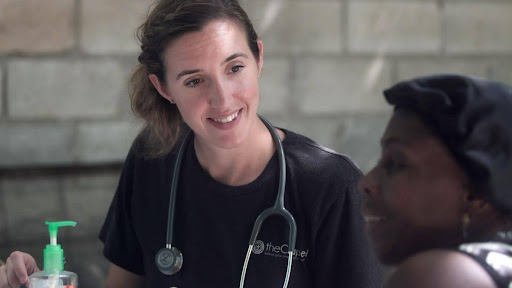
Effective communication directly influences patient care and outcomes. When nurses communicate clearly and compassionately, they can better understand patients’ needs, concerns, and preferences. This understanding allows for more accurate assessments, timely interventions, and personalized care plans. Utilizing therapeutic communication techniques, such as active listening, empathy, and providing clear explanations, can help build trust and rapport with patients. For instance, therapeutic communication examples in nursing include asking open-ended questions, using reflective statements, and validating patients’ feelings. These techniques foster a supportive environment where patients feel heard and understood, leading to improved satisfaction and cooperation with treatment plans.
Improving Safety and Reducing Errors
Optimal, effective, and continuous communication should be valued and promoted at all times in the healthcare setting as a method of preventing or minimizing adverse occurrences. Dispensing wrong information may also hurt, and in the context of a hospital environment means that mishaps can take place such as disparities in medication administration, an incorrect approach for the treatment of the patient, or misidentification of the status of the particular patient. It also described that to achieve this aim, it is possible to use professional communication systems such as SBAR (Situation, Background, Assessment, Recommendation) for effective sharing of the necessary and correlation of information, which is pivotal for understanding the condition of the patient. This way of presenting information facilitates a more comprehensive and systematic presentation of all details about the patient hence minimizing the possibility of errors being made as well as overall enhanced patient care.
Facilitating Teamwork and Collaboration
Nursing is a profession that cannot be practiced individually; rather, it involves other healthcare practitioners in many instances. Communication plays a major role in enhancing collaboration since all the stakeholders in the healthcare setting need to agree on what is bound to happen next. Having set meetings means that there is always time to sit down and share the patient’s information and making round robes and open communication lines can create a working partnership. Communication of the staff is an essential component when nurses discuss the care plan with the doctor, physical therapist, and other members of the team, patients are more likely to receive the right care at the right time and the members of the team will be satisfied with their work.
Supporting Emotional and Psychological Well-Being
Nurses may be directly involved in providing care that entails sustaining the emotional and psychological state of patients and their families thus they must possess good communication skills. Impaired communication leads to unheard concerns, unchecked distress, and unmet emotional needs that compromise the patient’s state of health. Some of the clinical communication strategies, like the use of empathy, listening, and providing reassurance can come in handy in these interactions. Thus, RB’s concept of ensuring the availability of a friendly environment that allows patients and their families to work through their feelings of loss and hopelessness may not only strengthen their immune systems but also enhance the general experience of receiving professional care.
Professional Development and Advocacy
This facilitates nurses to build professional relationships and also advocacy role is essential in communication. Assertiveness guarantees that nurses are in a position to express themselves, to be heard, and to promote their ideas and their patients as well as their field of work. Written and verbal communication is equally essential wherever the nurses involved are, whether inside their working environment participating in committees, or formulating policies and implementing them. Ideally, this capacity is not only helpful for their professional development but also positive for the growth of the nursing profession and better provision of care for the patients.
Conclusion
Failure in communication in nursing had always been deemed as unimportant with adverse effects resulting from its deficiency. It integrates all areas of patient care, including safety and communication, the members of the healthcare team as well as effective nurturing of their emotions and advocating for the patient’s rights for proper medical care. In the context of human interactions, understanding therapeutic communication may build a better rapport with patients, foster teamwork with other co-workers, and even help create a better and safer environment for providing health care services. It is in this context that increasing the potency of this particular avenue of communication proved to be a powerful tool in enhancing patient care, the provision of healthcare, and the general development of the nursing profession.