
Business ideas for your upcoming project are everywhere. They don’t need to be spectacular. They should be more of those that meet a need in the market.
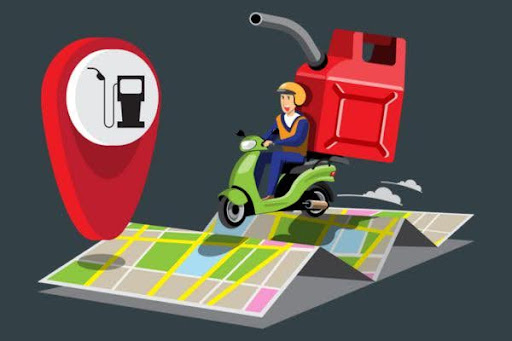
You’ve probably seen and used apps for grocery delivery to purchase essentials quickly and efficiently. We live in a world in which mobile devices and doorstep delivery are on the rise. Technological advances have allowed us to design on-demand delivery solutions that cater to various industries. If customers require it, the delivery of other essential items is possible, similar to the on demand fuel delivery app development.
With the capability to transform the process of purchasing fuel by providing customers with an easy and effective way to access service for fuel delivery, fuel delivery apps enhance user experience and stimulate forward progress in the field of fuel. Instead of jumping into niche markets that are highly competitive, why not create your own business in the field of on demand fuel delivery and be a success?
The Bright Future of Fuel Delivery Industry
As we advance in our society with the advancement of technology, various fuels are used in transport. The switch to electric vehicles marks an essential change in the auto sector, with many countries moving towards greener and more sustainable transport ecosystems. However, vehicles powered by electric power, even after several years of introduction, have not yet experienced widespread acceptance due to limitations like initial cost, range anxiety, and the charging infrastructure.
Despite the growth of alternatives to fuel, gasoline is likely to remain in its place in the near future since it continues to be the primary fuel source for most private vehicles, particularly in logistical and commercial transport.
Demand for fuel sources is the reason behind the growth in petrol stations. Traditional gas stations cannot be substituted. But business owners who understand how to take advantage of technological advances can make customers’ access to fuel easier than ever before. This is where an online on demand fuel service could earn money.
There will be no more issues when running out of gas unexpectedly in areas without a gas station or difficulties finding gas sources, even in the most remote regions. Gas delivery apps that include the ability to deliver gas unlock new growth opportunities and keep up with consumers’ changing expectations.
The above assertions provide the foundation for business leaders to invest capital in the fuel delivery sector. According to a Future Market Insights report, the fuel delivery market is forecast to be valued at US$5,064.1 million in 2023. 5,064.1 million by 2023 and could grow to US$10,086.4 million. 10,086.4 million in 2033. Since it is a relatively new industry with little competition yet huge growth prospects and global growth potential, gas delivery services seem to be in the midst of a brighter future.
Standard Features of an On-demand Fuel App
To build a complete online fuel delivery app development, it is necessary to connect and control the three panels, which include the driver panel, user panel, and admin panel, in parallel. Every panel has been designed and built to fulfill its own needs with various features for fuel delivery apps.
Feature Sets for Users
These are the features users see when they look at their screen. User interfaces are adapted to people who require fuel delivery app development services. It usually has features like:
User Registration: Users can make personal accounts with the help of telephone numbers, emails, or social credentials.
User Profile: Allow users to create profiles and safely store data about payment details and personal contact information to ensure seamless transactions.
Locate Detection: This software will automatically determine the user’s location in order to deliver fuel to their car.
Search nearby or using Location: This option allows users to proactively find the fuel suppliers they need by manually entering the information.
Order Placement: Allow users to choose the desired delivery dates and amount of fuel required and then provide specific instructions.
Integration with Payment Gateways: Add secure payment gateways with methods to assist users in paying using the fuel delivery app development.
Order Tracking: This service provides real-time monitoring of fuel deliveries and allows users to track their orders’ status.
Reviews and Ratings: Customers can leave feedback, rate the service, and write reviews about their satisfaction with it.
Feature Sets for Drivers
Drivers are the people accountable for the on demand fuel delivery to the customers. The panel for drivers helps drivers manage their profiles, look up the orders they have been assigned, optimize routes, check delivery statuses, and communicate with customers while delivering. The most essential features for drivers include:
Driver Registration: Allow drivers to go through verification procedures and onboard onto the platform.
Driver Profile: Aids drivers manage their essential contact information and other information.
Route Optimization: Offers route optimization tools, navigation tools, algorithms, and live traffic updates that enable drivers to reach delivery locations effectively.
Order Assignment: Give Delivery orders to the drivers and supply them with all the required information to ensure the timely fulfillment of on demand fuel delivery requests.
Documentation of Delivery: Let drivers record evidence of delivery, including timestamps or location information and the customer’s signature if needed.
Earnings Tracking: Provide drivers the ability to track their total earnings as well as performance measures.
Support and Help: Allows drivers to reach customers via chat and give order-related information when needed.
Feature Sets for Admins
The admin panel acts as the main control center for overseeing the entire operation of the on demand fuel delivery app development. Through this interface, administrators can supervise user activity, monitor deliveries, monitor fuel inventory, analyze data, and ensure everything runs smoothly for the whole platform. The standard functionality comprises the following.
User Management: Give admins the ability to manage and verify user accounts.
Order Management: This feature allows administrators to oversee the entire fuel delivery process, from tracking orders to assigning delivery dates and monitoring delivery status.
Inventory Management: Monitor fuel inventory levels to ensure fuel availability and maintain supplies needed for delivery.
Analytical and reporting: This provides valuable insights using analytical tools such as financial reports, order data, and performance indicators.
Different Aspects of the On-Demand Fuel Delivery App Development
A business model that relies on on-demand fuel delivery app development may comprise of four players: admin, driver vendor, customer, and administrator.
Admin Panel
The Admin Panel is a feature-rich panel that lets the fuel delivery business easily control its drivers and clients. It can add new customers and drivers and keep track of the progress of their deliveries. The Admin Panel is a precious resource.
The dashboard is designed to be easy to use. It permits the on demand fuel delivery service to keep track of their drivers’ locations and customer orders and manage customer accounts. The Admin Panel is a valuable instrument for the fuel delivery business, allowing them to manage their operations more efficiently and effectively.
Administrators can modify or add the type of fuel, vendors, customers, and drivers and monitor their fuel sales.
Driver App Panel
Driver apps allow your drivers to learn about their earnings history. This will help them make a well-informed choice about the amount they drive. When they know how much they earn, they are able to better determine their earnings potential and reduce their risk of overdrive, which could endanger their safety or the safety of other drivers on the road.
To allow drivers to either accept or deny delivery via the notification pop-up, they must be notified prior to the time. The driver app lets drivers get notifications without having to open the app, which can help busy drivers.
Vendor Panel
The fuel delivery app development can help reduce the time spent making calls by allowing sellers to control their operations in the notification area. Vendors can manage their business operations through the notification, thereby saving time.
If you look at the app’s dashboard for vendors, you will see a daily list of earnings and sales reports. This data is constantly updated to ensure vendors’ decision-making is informed. It’s a fantastic tool for monitoring sales information, and vendors can view the daily earnings and sales reports in the vendor app’s dashboard.
Customer Panel
With the recent growth in the number of cars being used, alternative energy sources are needed. There are several alternatives to purchasing alternative fuels, such as convenience stores, gas stations, and online retailers. Like many drivers, you rely on the price of fuel to determine when and where you’ll travel. However, with the convenience of having gas stations open whenever you need them, numerous drivers have stopped using the market for how they travel. Instead, they use fuel-purchasing apps that are based on customers. These on demand fuel apps let drivers quickly fill up their vehicles without leaving their homes.
However, consumers expect ease when ordering fuel for their cars because they want to avoid traveling long distances to a pump.
Conclusion
Today, on demand fuel delivery app development is rapidly becoming more widespread worldwide. Due to the rise of electric vehicles, many people are looking for an easier method to purchase gas without visiting a gas station. Many like these apps because they can deliver fuel to their workplaces or homes, which saves time and money.
As the world moves toward sustainable and cleaner energy production techniques, the fuel delivery market is likely to see an increase in new players over the following years. This is essentially due to the rising demand for electric vehicles and increasing awareness of the dangers associated with fossil fuels.